Can I Sell My Fresno or Clovis Home If the Solar Panels Are Leased or Financed?
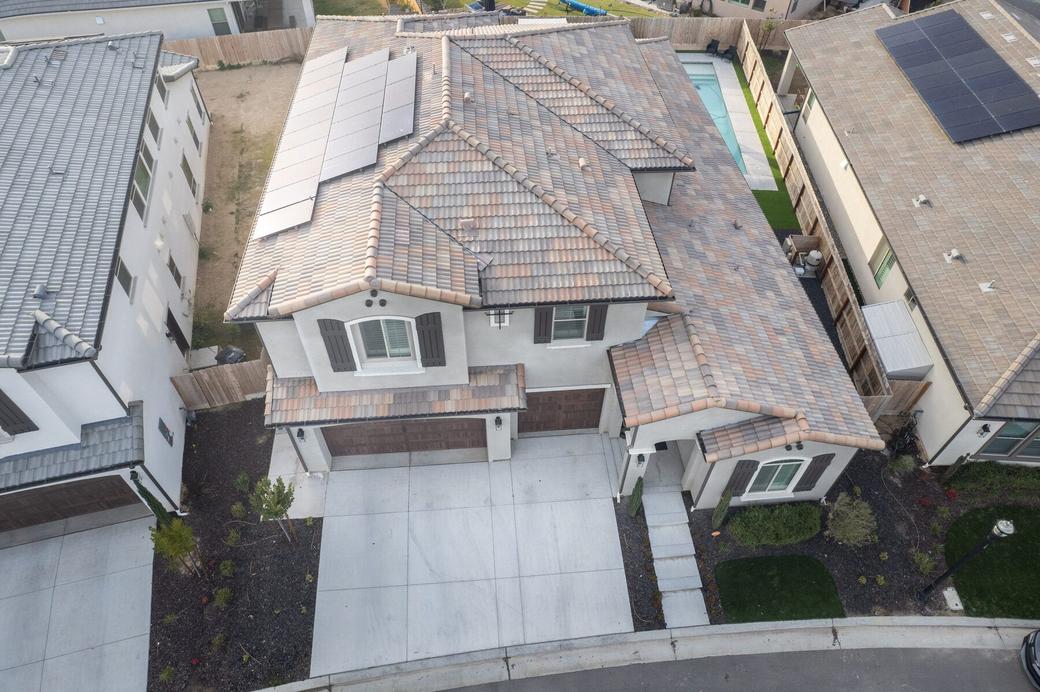
Short answer: Yes, you can generally sell a Fresno or Clovis home with leased or financed solar. But the panels and the contract are two separate things. Before listing, confirm whether the system is owned, financed, leased or under a power purchase agreement (PPA), then get the written transfer and buyout terms. A buyer's mortgage approval does not automatically mean the buyer can assume your solar agreement.
I would rather sort this out before the first showing than have a buyer fall in love with the house and discover another financial obligation halfway through escrow.
Here is what matters.
First: Do you own the panels?
The listing might say "solar," but that doesn't tell a buyer what they're getting.
Paid-off, owned solar: The seller owns the equipment without an outstanding solar financing obligation. Verify ownership, warranties, any recorded filings, and what equipment is included in the sale.
Financed solar: You may own the equipment but still owe on a separate loan. Ask the lender for a current payoff statement, any transfer or assumption options, and instructions for releasing its security interest if applicable. Do not assume the loan simply disappears when you sell.
Solar lease: The solar company generally owns the equipment, and you pay for its use under the lease. Transfer approval and buyout options come from your agreement.
Power purchase agreement (PPA): The company generally owns the system and sells you the electricity it produces, commonly using a per-kilowatt-hour price. That is different from an ordinary equipment loan, and it may include scheduled rate increases.
PACE financing: This is different again. Property Assessed Clean Energy financing can be collected with property taxes. It needs a separate title and lender review; Fannie Mae generally requires a PACE obligation to be paid in full before or at closing for a loan it can purchase.
Those distinctions are reflected in the California Public Utilities Commission's Solar Consumer Protection Guide and Fannie Mae's mortgage eligibility guidance. Don't describe third-party-owned panels as "owned" just because they've been on the roof for years.
Can the buyer take over the solar lease?
Possibly. It depends on the actual contract, the solar provider's transfer rules, and whether the buyer agrees and qualifies.
A solar-company transfer approval is separate from mortgage preapproval. The buyer's lender also needs the documents. For certain Fannie Mae loans, lease payments can affect the buyer's debt-to-income calculation, depending on the agreement's structure. The lender must review the lease or PPA, and third-party-owned panels aren't counted as the home's solar equipment value in the appraisal under that guidance.
So the answer isn't "everyone can assume it" or "leases kill deals." It's: show the paperwork early and let the actual provider and lender evaluate it.
Does the seller have to pay off the solar before closing?
Not always. A transfer may be permitted; a buyout or prepayment may be available; or the parties may negotiate who pays an allowed cost. Some contracts restrict buyout timing or calculate it differently than the remaining monthly payments.
Important: Paying all future lease payments up front does not necessarily turn a leased system into equipment the homeowner owns. Ask the provider whether the quote is an ownership buyout, a prepaid lease, or a different settlement.
For financed solar, get an official payoff and the release procedure. For PACE, have the title and mortgage teams review the assessment immediately. None of these situations should be solved by guessing a dollar amount from an online calculator.
What should I ask the solar company before listing?
I would request one written resale packet containing:
-
The complete contract and any amendments; confirmation of whether the system is owned, leased, financed, under a PPA, or subject to PACE.
-
The current payment, annual escalator if any, and remaining contract term.
-
Written buyer-assumption requirements, application process, expected processing steps, and who must approve the transfer.
-
A current written payoff, buyout or prepayment quote, with an explanation of whether ownership changes.
-
Any title/UCC filing information, required releases, warranties, service obligations, roof-removal terms, and any outstanding balance.
If the solar provider cannot give a clear answer, escalate with the provider before promising anything in the listing description.
What about PG&E bills and the famous "true-up"?
In Fresno and Clovis, where summer cooling costs are very real, buyers naturally want to know whether solar helps.
But a small PG&E statement is not the same as a small total energy cost.
A homeowner may receive a PG&E bill and a separate solar lease or PPA bill. A PG&E annual true-up or settlement can be another piece of the picture, depending on the billing plan. Ask for roughly 12 months of utility statements along with the actual solar payment history, and explain the plan shown on those bills.
Do not promise that the next owner will have the same bill. Household use, utility rates and solar contract terms matter.
Also, the utility's net-metering or Solar Billing Plan status is not the same thing as ownership of the panels. Confirm the interconnection and rate-plan details with PG&E instead of assuming all solar works the same way.
Does leased solar add value to the home?
Maybe the system offers value through energy production and potentially lower overall costs. But you cannot automatically add the original installation price to the asking price.
The ownership structure matters for financing and appraisal. Fannie Mae guidance says the appraised value and loan-to-value calculation cannot include the value of third-party-owned solar panels under a lease or PPA.
That doesn't mean the home's overall marketability is always worse. It means we should compare genuinely similar Fresno and Clovis homes and present the actual agreement rather than claiming a guaranteed premium.
This can matter in northeast Fresno, Copper River, Heritage Grove and newer Clovis communities, where a buyer might compare a resale with builder alternatives. The neighborhood name alone tells us nothing about the specific solar obligation.
What should happen before your home goes on the market?
My sequence would be: identify the arrangement; get the provider's resale packet; send it to the appropriate title and lender professionals; determine whether buyer assumption or seller payoff is workable; include the financial terms in your sale and net-proceeds planning; and disclose the arrangement accurately.
California's 2025 Energy Code took effect for new permit applications beginning January 1, 2026. Newer-home energy standards make it especially important not to assume "solar included" means "solar owned." The actual contract still controls.
If the buyer needs approval from the solar provider, build that into the transaction plan and written agreements with appropriate professional review. Don't introduce a new obligation in the final week of escrow and expect everyone to be comfortable with it.
FAQs
Can I list a house with a solar lease on the MLS?
Generally, yes. The existence of a lease is not an automatic prohibition. Accurate disclosures, marketing descriptions, purchase terms and lender/transfer requirements still matter.
What if the buyer refuses to assume my lease?
You can discuss an allowed buyout, prepayment, negotiation or a different buyer, depending on your signed contract and the provider's rules. There is no universal right to force a buyer to take over your obligation.
Is a solar loan the same as a solar lease?
No. A loan can finance equipment you own; with a lease or PPA, a third party generally owns the equipment. Title, lender and appraisal treatment may differ.
Can I say the panels are paid off after escrow pays a balance?
Only after confirming what was actually paid and whether the equipment is now owned free of a remaining obligation. A lease prepayment and an ownership purchase are not synonymous.
Does a solar lease affect my seller net proceeds?
It can. A buyout, payoff, negotiated credit or transfer fee may reduce what you walk away with. Use the actual written provider figures in your net sheet.
My perspective
I don't want a seller spending thousands on a buyout they never needed. I also don't want a buyer discovering a 15-year obligation after they thought they were just buying a house.
The right answer isn't always "pay it off." The right answer is to know exactly what it is before we price and market the property.
If you're considering selling a solar-equipped home in Fresno or Clovis, send me a message with SOLAR and tell me whether it's owned, leased or financed. We'll start with the questions worth asking before anyone makes an expensive decision.
Caitlyn Peck, REALTOR®
Buying & Selling Fresno | Real Broker | DRE #01933554
Instagram: @buyingandsellingfresno | Call or text: 559-355-8669
Research reviewed November 3, 2026. This is general real-estate guidance, not a legal determination, lender approval, contract interpretation, utility-rate guarantee or financial quote. Confirm the terms with your solar provider, lender, escrow/title team and qualified advisors.
Authoritative references
-
California Public Utilities Commission, California Solar Consumer Protection Guide (version 4, 2025): https://www.cpuc.ca.gov/industries-and-topics/electrical-energy/demand-side-management/customer-generation/california-solar-consumer-protection-guide
-
Fannie Mae Selling Guide, Special Property Eligibility Considerations — Properties with Solar Panels: https://guide-selling.fanniemae.com/sel/b2-3-04/special-property-eligibility-considerations
-
PG&E, Understanding Your Solar Bill: https://www.pge.com/en/account/billing-and-assistance/understand-your-bill/solar-bill.html
-
California Energy Commission, 2025 Building Energy Efficiency Standards (effective for permit applications from January 1, 2026): https://www.energy.ca.gov/programs-and-topics/programs/building-energy-efficiency-standards/2025-building-energy-efficiency
Keep reading: Selling your Fresno or Clovis home · How much you will walk away with
Questions about your own move? Send me a note here.
About the author: Caitlyn Peck is a Fresno-born REALTOR® with 15 years of experience helping people buy and sell homes in Fresno and Clovis. She shares local tips on Instagram and YouTube as Buying and Selling Fresno. Ask Caitlyn a question.
Categories
Recent Posts