Can I Sell My Fresno or Clovis House While Tenants Are Still Living There?
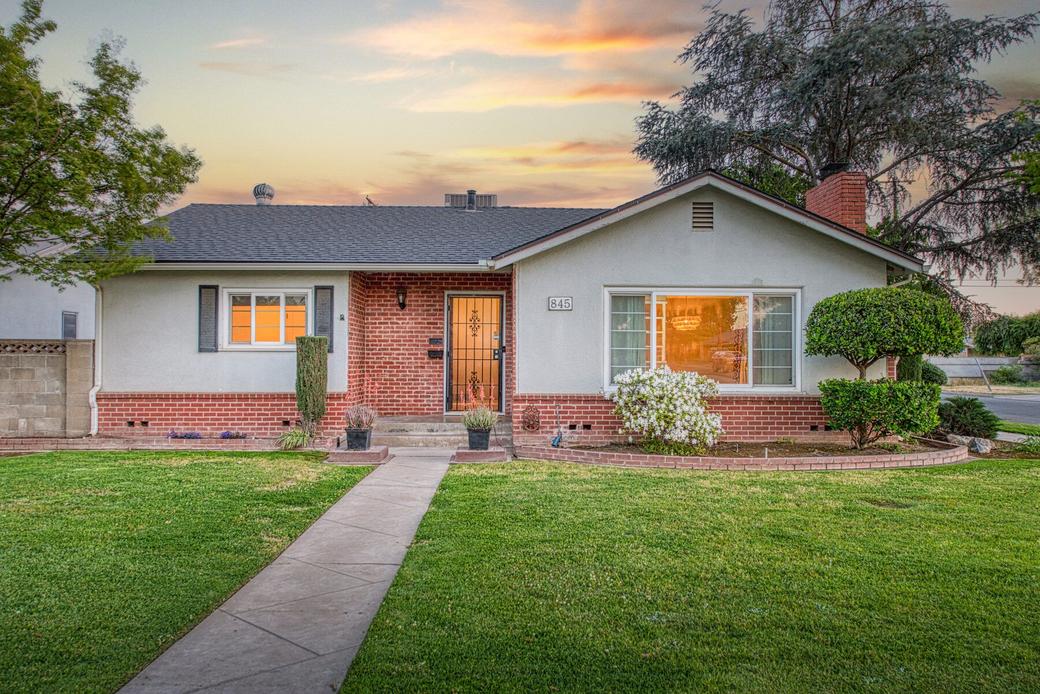
Quick answer: Yes. A Fresno or Clovis home can generally be sold while tenants are living there. But the sale does not automatically end a lease or give the owner the right to make tenants move out. Review the rental agreement, applicable California and local tenant protections, showing rules, security deposit and the buyer's intended use before promising vacant possession.
Maybe you bought a house years ago, moved out and kept it as a rental. Maybe you inherited a property with tenants. Now you're thinking about selling.
The first question isn't necessarily, “How much is it worth?”
It might be: What happens to the people living there—and can I sell it in the condition and occupancy it's in?
Here's what I would sort out before putting a Fresno or Clovis rental on the market.
1. Start with the actual lease, not the listing photos
Is the tenant on a fixed-term lease, month-to-month agreement, or another arrangement? When does the term end? Are there addenda, renewal provisions, unpaid balances, deposits or other agreements?
In general, a sale does not wipe out an existing tenancy. The buyer generally takes over as the landlord subject to the tenancy and applicable law. A written fixed-term lease may continue after closing. A month-to-month tenancy also cannot necessarily be ended simply because the owner plans to sell.
California's Tenant Protection Act (Civil Code section 1946.2) creates just-cause rules for many covered tenancies, subject to important exceptions and specific conditions. Local rules and the exact rental history can matter too.
Selling isn't itself a universal reason to evict somebody. If you hope to deliver the property vacant, have a California landlord-tenant attorney review the facts and any lawful options before advertising that promise.
Official guidance: California Department of Real Estate, California Tenants: A Guide to Residential Tenants' and Landlords' Rights and Responsibilities, 2026 edition: https://dre.ca.gov/Publications/ResourceGuidebook/index.html
2. You can arrange showings. You cannot treat the home as empty.
Under California Civil Code section 1954, showing a rental to prospective buyers is an allowed reason for entry. But there are limits.
The ordinary rule is reasonable written notice identifying the approximate time, date and purpose, with 24 hours presumed reasonable. Entries generally must occur during normal business hours unless an exception or proper tenant consent applies. The law also prohibits abusing access or using it to harass the tenant.
For buyer showings, a specific exception permits oral notice after a qualifying written notice that the property is for sale within the preceding 120 days. The statute has additional requirements, including leaving written evidence of entry inside the unit. Don't assume a text, lockbox or “for sale” sign satisfies every requirement.
Official statute: California Civil Code section 1954: https://leginfo.legislature.ca.gov/faces/codes_displaySection.xhtml?sectionNum=1954.&lawCode=CIV
My approach: Agree on a respectful showing plan in writing where possible. Give reasonable advance notice, choose sensible appointment windows, protect privacy and avoid unnecessary disruption. A cooperative tenant can make a real difference, and the tenant still has rights.
3. Decide whether you're marketing to an investor or a future occupant
A house with a tenant in place can appeal to an investor who wants an existing income stream. That buyer will want the lease, actual rent, payment history, deposits, maintenance history and operating expenses.
A buyer planning to live in the property may need a reliable, lawful timeline for possession. Their lender and closing plans may also depend on occupancy.
That changes how the property is marketed, which buyers it attracts and what terms may be realistic.
It does not mean a tenant-occupied home always sells for less. An occupied rental can be useful to an investor. A vacant home may be easier for certain owner-occupants to tour or move into. The right comparison is with relevant local properties and buyer demand—not a blanket discount.
If I were pricing a tenant-occupied house in Fresno, Clovis or an unincorporated area, I would look at comparable sales, the actual lease, condition, access for showings and the most plausible buyer pool together.
4. Don't promise the tenant will leave
A common mistake is telling buyers, “The tenants will be out by closing,” before there's a legally supportable way to deliver that result.
If a tenant wants to move, the parties may sometimes discuss a voluntary, written agreement with terms acceptable to everyone. That is different from pressuring someone or using an invalid eviction notice. Have a qualified California landlord-tenant attorney review any move-out or buyout arrangement.
Owner move-in rules and other no-fault grounds have specific requirements, exceptions and sometimes relocation obligations. A real-estate sale alone is not a shortcut.
It's better to be accurate at the beginning than to have an escrow depend on a move-out date that cannot be guaranteed.
California Attorney General, Tenant Protection Act obligations: https://oag.ca.gov/news/press-releases/attorney-general-bonta-alerts-city-attorneys-and-county-counsel-new-enforcement
5. There is a Fresno-specific record to check
Inside the City of Fresno, the Rental Housing Improvement Program says residential rental properties must be registered, including those that may be exempt from an inspection. The city's rental registration must be updated when ownership or contact information changes. Ask about any registration, inspection or compliance records relevant to the property.
This is a City of Fresno program. Do not assume the same city registration applies to every home with a Fresno or Clovis mailing address. Check the actual jurisdiction.
City of Fresno official rental-housing page: https://www.fresno.gov/cityattorney/codeenforcement/rental-housing/
For a property in Clovis or unincorporated Fresno County, confirm the applicable requirements with the appropriate local authority rather than treating Fresno's city rules as universal.
6. Handle the deposit and rental records correctly at closing
If a rental is sold, the security deposit and accounting cannot simply be forgotten.
California Civil Code section 1950.5 addresses transfer or return of security deposits when an owner's interest is transferred, and related notice/accounting requirements. The exact paperwork and obligations should be handled with escrow and, when necessary, counsel.
Prepare a clean file with the lease and addenda, rent ledger, deposit records, notices, maintenance and inspection information, and any documents the purchase agreement calls for. Disclose known material property issues as required; a tenant's personal belongings can make parts of a property harder to inspect, not exempt them from careful handling.
California Department of Real Estate's 2026 landlord-tenant guide: https://dre.ca.gov/Publications/ResourceGuidebook/index.html
So should I sell it occupied, or wait until it's vacant?
It depends. I would compare the options using real figures, not assumptions:
Sell occupied: What are comparable tenant-occupied homes achieving? Is the lease attractive to a buyer who wants a rental? What showing access, financing and closing terms are realistic?
Wait until a lawful vacancy: What additional holding costs, repairs and uncertainty would you take on? Is there a legitimate path to vacancy, and what timing can actually be supported?
Keep renting: What is the property's real income after repairs, insurance, taxes, vacancies and management? Is holding it still aligned with your goals?
The best choice is not always the one with the highest theoretical sale price. It is the one with a realistic net result, lawful timeline and manageable risk.
What if the tenant is great but my finances have changed?
You can still explore a sale. Being considerate of the tenant and making a sound financial decision are not opposing ideas. In fact, getting the terms straight early protects everyone from last-minute surprises.
What if the lease is month-to-month?
That does not automatically mean you can give a simple 30-day notice and have the home empty. Just-cause protections, tenancy length, exemptions, required notices and other rules may apply. Have counsel review the actual agreement before making that plan.
What if the buyer wants to move in?
The buyer's proposed use of the property matters, but the existing tenancy and applicable law still matter. Don't promise possession based on the buyer's plans alone. The buyer, lender, escrow and an attorney may need to coordinate the lawful timing.
My perspective
I don't want you rushing to put a rental on the market and then having to renegotiate everything because nobody reviewed the lease.
I'd rather know three things first: what the agreement actually says, who the likely buyer is, and what you'll realistically net.
Then we can build a sale plan that works with those facts instead of pretending the home is vacant.
Thinking about selling a tenant-occupied house in Fresno or Clovis? DM RENTAL to @buyingandsellingfresno with the neighborhood and whether the tenancy is fixed-term or month-to-month. Don't send private tenant details. I'll help you identify the sale-planning questions to resolve; legal tenancy decisions belong with a California landlord-tenant attorney.
Caitlyn Peck, REALTOR® · Real Broker · DRE #01933554
Buying & Selling Fresno · 559-355-8669
Research reviewed November 13, 2026. General real-estate information only. Tenancy, entry, notice, disclosure, security-deposit and possession rules depend on the property, documents, exemptions and applicable law. This article is not legal advice.
Official source references
-
California Department of Real Estate, 2026 tenant-landlord guide: https://dre.ca.gov/Publications/ResourceGuidebook/index.html
-
California Civil Code section 1954 (showings and access): https://leginfo.legislature.ca.gov/faces/codes_displaySection.xhtml?sectionNum=1954.&lawCode=CIV
-
California Attorney General, Tenant Protection Act enforcement overview: https://oag.ca.gov/news/press-releases/attorney-general-bonta-alerts-city-attorneys-and-county-counsel-new-enforcement
-
City of Fresno, Rental Housing Improvement Program: https://www.fresno.gov/cityattorney/codeenforcement/rental-housing/
Keep reading: Selling your Fresno or Clovis home · How much you will walk away with
Questions about your own move? Send me a note here.
Frequently asked questions
Does selling a rental end the tenant's lease?
No, a sale does not end a lease by itself. The buyer generally takes over the existing lease, so read the lease terms before you list.
Can I show the house while tenants live there?
Yes, with proper written notice to the tenant. Plan showings around their schedule and keep everything in writing.
Is it better to sell a rental occupied or vacant?
It depends on who you want to buy it. An occupied home with good rent can appeal to investors. A vacant home is usually easier to show to people who want to live in it.
About the author: Caitlyn Peck is a Fresno-born REALTOR® with 15 years of experience helping people buy and sell homes in Fresno and Clovis. She shares local tips on Instagram and YouTube as Buying and Selling Fresno. Ask Caitlyn a question.
Categories
Recent Posts